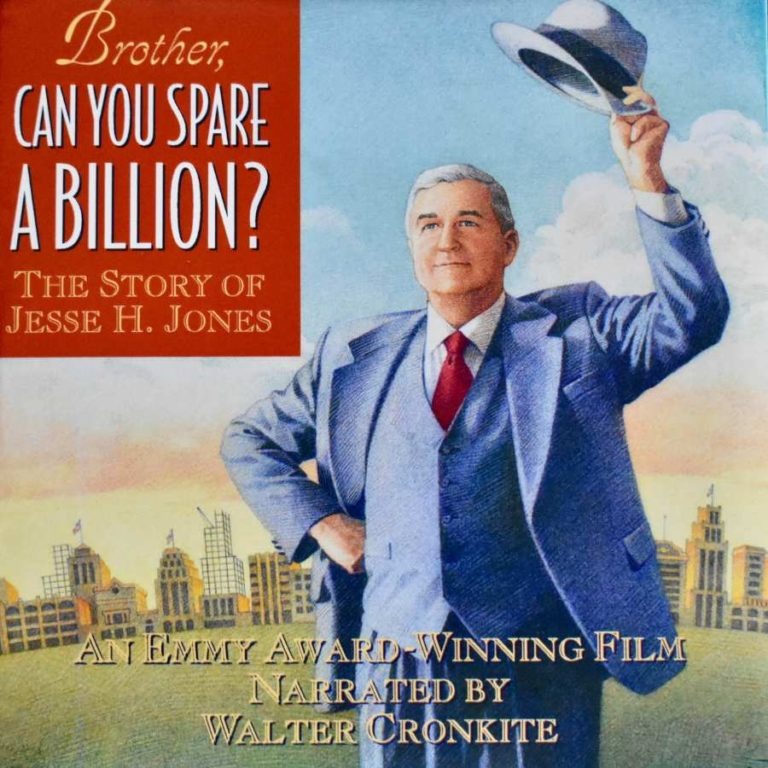
WATCH Emmy Award-winning Brother, Can You Spare a Billion? narrated by renowned broadcast journalist Walter Cronkite and seen nationally on PBS. The compelling film shows how Jesse Jones and the Reconstruction Finance Corporation saved and expanded the economy during the Great Depression and militarized industry in time to win World War II. Renowned economist John Kenneth Galbraith, historian Arthur Schlesinger, Jr. and others who knew Jones or understood his influence on Houston’s development and the nation’s survival explain his unprecedented role and the RFC’s profound contributions, many of which can be adapted to address today’s daunting challenges.
Brother, Can You Spare A Billion?
Public Broadcasting Service
WATCH Emmy Award-winning Brother, Can You Spare a Billion? narrated by renowned broadcast journalist Walter Cronkite and seen nationally on PBS. The compelling film shows how Jesse Jones and the Reconstruction Finance Corporation saved and expanded the economy during the Great Depression and militarized industry in time to win World War II. Renowned economist John Kenneth Galbraith, historian Arthur Schlesinger, Jr. and others who knew Jones or understood his influence on Houston’s development and the nation’s survival explain his unprecedented role and the RFC’s profound contributions, many of which can be adapted to address today’s daunting challenges.
PUBLICATIONS
Unprecedented Power: Jesse Jones, Capitalism and the Common Good
Texas A&M University Press
Next to President Franklin Roosevelt, Jesse Jones was the most powerful person in the nation throughout the Great Depression and World War II. Read in this award-winning book how Jones embraced the power of good government to help develop Houston during the first half of the 20th century; how he organized European battlefield medical aid during World War I; and how the Reconstruction Finance Corporation (RFC) under his leadership saved and expanded the economy during the Great Depression and militarized industry in time to win World War II. SEE more about Unprecedented Power. BUY the book on Amazon.com. BUY the book on Bol.com.
“Jones’s handling of the RFC’s bewilderingly varied operations… was certainly the outstanding administrative performance of the Roosevelt period and one of the most skilled in our history…He held the grandiose balance of power politics between Roosevelt and Congress…. Jones was the leash on the Presidential collar.” New York Times October 21, 1951
Unprecedented Power: Jesse Jones, Capitalism and the Common Good
Texas A&M University Press
Next to President Franklin Roosevelt, Jesse Jones was the most powerful person in the nation throughout the Great Depression and World War II. Read in this award-winning book how Jones embraced the power of good government to help develop Houston during the first half of the 20th century; how he organized European battlefield medical aid during World War I; and how the Reconstruction Finance Corporation (RFC) under his leadership saved and expanded the economy during the Great Depression and militarized industry in time to win World War II. SEE more about Unprecedented Power. BUY the book on Amazon.com. BUY the book on Bol.com.
“Jones’s handling of the RFC’s bewilderingly varied operations… was certainly the outstanding administrative performance of the Roosevelt period and one of the most skilled in our history…He held the grandiose balance of power politics between Roosevelt and Congress…. Jones was the leash on the Presidential collar.” New York Times October 21, 1951
World War II Boeing airplane plant financed by the RFC.
Today's Policymakers Could Learn A Lot From Legacy Of Jesse Jones
Houston Chronicle
READ how through the Reconstruction Finance Corporation, Jesse Jones used the power of good government to save and expand the United States economy during the Great Depression and showed how government can provide essential services without increasing federal debt or taxes. Through its World War II mobilization, Jones and the RFC also show how government can comprehensively and successfully address global challenges.
One Of Houston’s Greatest Philanthropists Worked With Government, Not Against It
Houston Chronicle
READ how Jesse Jones embraced the power of good government to build cities and save nations. He raised Houston’s half of the funds to construct the Port of Houston after the federal government agreed to pay half the cost in what was then a unique collaboration. Later—through judicious lending, not spending—as chairman of the Reconstruction Finance Corporation Jones showed how the federal government can restore and save nations and make money for the U.S. Treasury and its taxpayers at the same time.
RFC Chair Jesse Jones (front) inspecting construction of the San Francisco-Oakland Bay Bridge financed by the RFC.
RFC Chair Jesse Jones (front) inspecting construction of the San Francisco-Oakland Bay Bridge financed by the RFC.
One Of Houston’s Greatest Philanthropists Worked With Government, Not Against It
Houston Chronicle
READ how Jesse Jones embraced the power of good government to build cities and save nations. He raised Houston’s half of the funds to construct the Port of Houston after the federal government agreed to pay half the cost in what was then a unique collaboration. Later—through judicious lending, not spending—as chairman of the Reconstruction Finance Corporation Jones showed how the federal government can restore and save nations and make money for the U.S. Treasury and its taxpayers at the same time.
Congress Should Resurrect The Depression-Era RFC
Houston Chronicle
READ how with no new federal debt or taxes, the Reconstruction Finance Corporation during the Great Depression, built highways, bridges, tunnels and aqueducts throughout the nation; saved thousands of farms, homes, banks and businesses from bankruptcy; financed the development of high-speed trains; brought electricity and appliances to rural areas; and helped people rebuild their lives after natural disasters. A government infrastructure bank modeled on the Reconstruction Finance Corporation can with no new debt or taxes rebuild the nation’s infrastructure and create millions of new jobs.
RFC Chair Jesse Jones was featured in political cartoons, magazines, newspapers and radio broadcasts throughout the nation.
RFC Chair Jesse Jones was featured in political cartoons, magazines, newspapers and radio broadcasts throughout the nation.
Congress Should Resurrect The Depression-Era RFC
Houston Chronicle
READ how with no new federal debt or taxes, the Reconstruction Finance Corporation during the Great Depression, built highways, bridges, tunnels and aqueducts throughout the nation; saved thousands of farms, homes, banks and businesses from bankruptcy; financed the development of high-speed trains; brought electricity and appliances to rural areas; and helped people rebuild their lives after natural disasters. A government infrastructure bank modeled on the Reconstruction Finance Corporation can with no new debt or taxes rebuild the nation’s infrastructure and create millions of new jobs.
Toxic Tour of Texas
Steven Fenberg and photographer Sharon Stewart embarked on the Toxic Tour of Texas to document the challenges and successes Texas grassroots activists had changing the hazardous waste practices of industry and government. Stewart expanded the Tour and through her diligence it was used in legislative testimony and exhibited at the Texas State Capitol, the General Land Office and in galleries, libraries and museums across the state and nation. The Tour was featured as cover stories in the Houston Post, Houston Chronicle Sunday Magazine, Texas Observer and Z Magazine. The Toxic Tour of Texas is now part of the Water in the West Project and Archive at the Center for Creative Photography, University of Arizona, and continues to be published, collected and exhibited. SEE Sharon Stewart’s website for more of the tour.
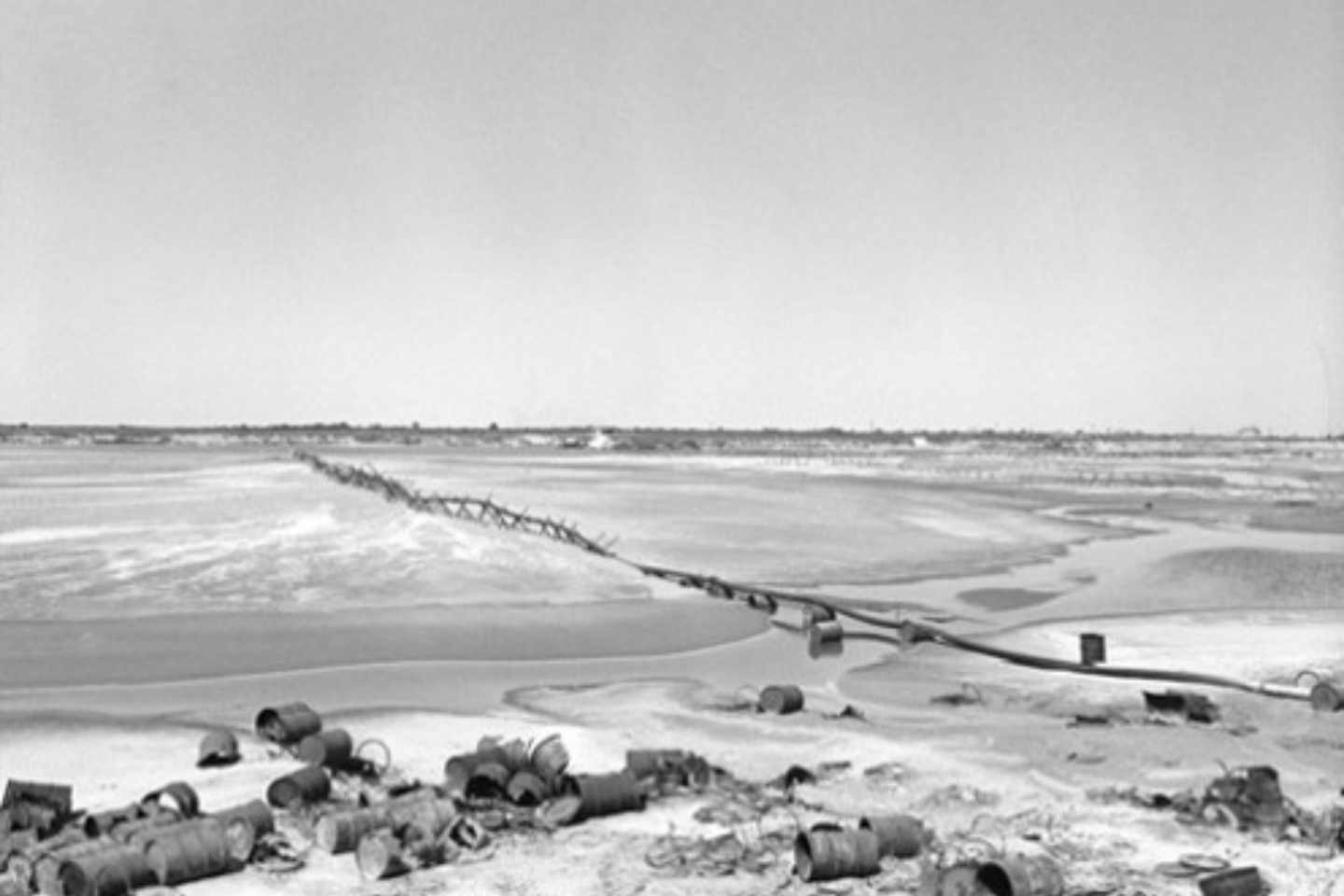
160-acre uranium mill tailings pond with six million tons of radioactive and chemical waste near Pana Maria, Texas.
160-acre uranium mill tailings pond with six million tons of radioactive and chemical waste near Pana Maria, Texas.
Toxic Tour of Texas
Steven Fenberg and photographer Sharon Stewart embarked on the Toxic Tour of Texas to document the challenges and successes Texas grassroots activists had changing the hazardous waste practices of industry and government. Stewart expanded the Tour and through her diligence it was used in legislative testimony and exhibited at the Texas State Capitol, the General Land Office and in galleries, libraries and museums across the state and nation. The Tour was featured as cover stories in the Houston Post, Houston Chronicle Sunday Magazine, Texas Observer and Z Magazine. The Toxic Tour of Texas is now part of the Water in the West Project and Archive at the Center for Creative Photography, University of Arizona, and continues to be published, collected and exhibited. SEE Sharon Stewart’s website for more of the tour.
INTERVIEWS
Jesse Jones, Capitalism and the Common Good
University of Houston -
Hobby School of Public Affairs
WATCH an interview with University of Houston’s Dean Jim Granato, who explores with Fenberg Jesse Jones’s early life and how Jones would lead the federal government’s Reconstruction Finance Corporation to save and expand the U.S. economy during the Great Depression and transform industry in time to fight and win World War II. They also discuss how those successful strategies from the past can be adapted to address today’s challenges.
Jesse Jones, Capitalism and the Common Good
University of Houston -
Hobby School of Public Affairs
WATCH an interview with University of Houston’s Dean Jim Granato, who explores with Fenberg Jesse Jones’s early life and how Jones would lead the federal government’s Reconstruction Finance Corporation to save and expand the U.S. economy during the Great Depression and transform industry in time to fight and win World War II. They also discuss how those successful strategies from the past can be adapted to address today’s challenges.
Jesse Jones and Good Government
Houston Public Media
LISTEN to Michael Hagerty interview Steven Fenberg on Houston Public Radio about the differences between good government during the Great Depression and today.
Jesse Jones and Good Government
Houston Public Media
LISTEN to Michael Hagerty interview Steven Fenberg on Houston Public Radio about the differences between good government during the Great Depression and today.
Infrastructure Bank Needed
COBOUW
READ an interview by Dutch journalist Edo Beerda, who talks with Steven Fenberg and his colleague Alphecca Mutardy—a former International Monetary Fund economist—about the history and potential of a national infrastructure bank from a Dutch perspective. READ the Dutch version.
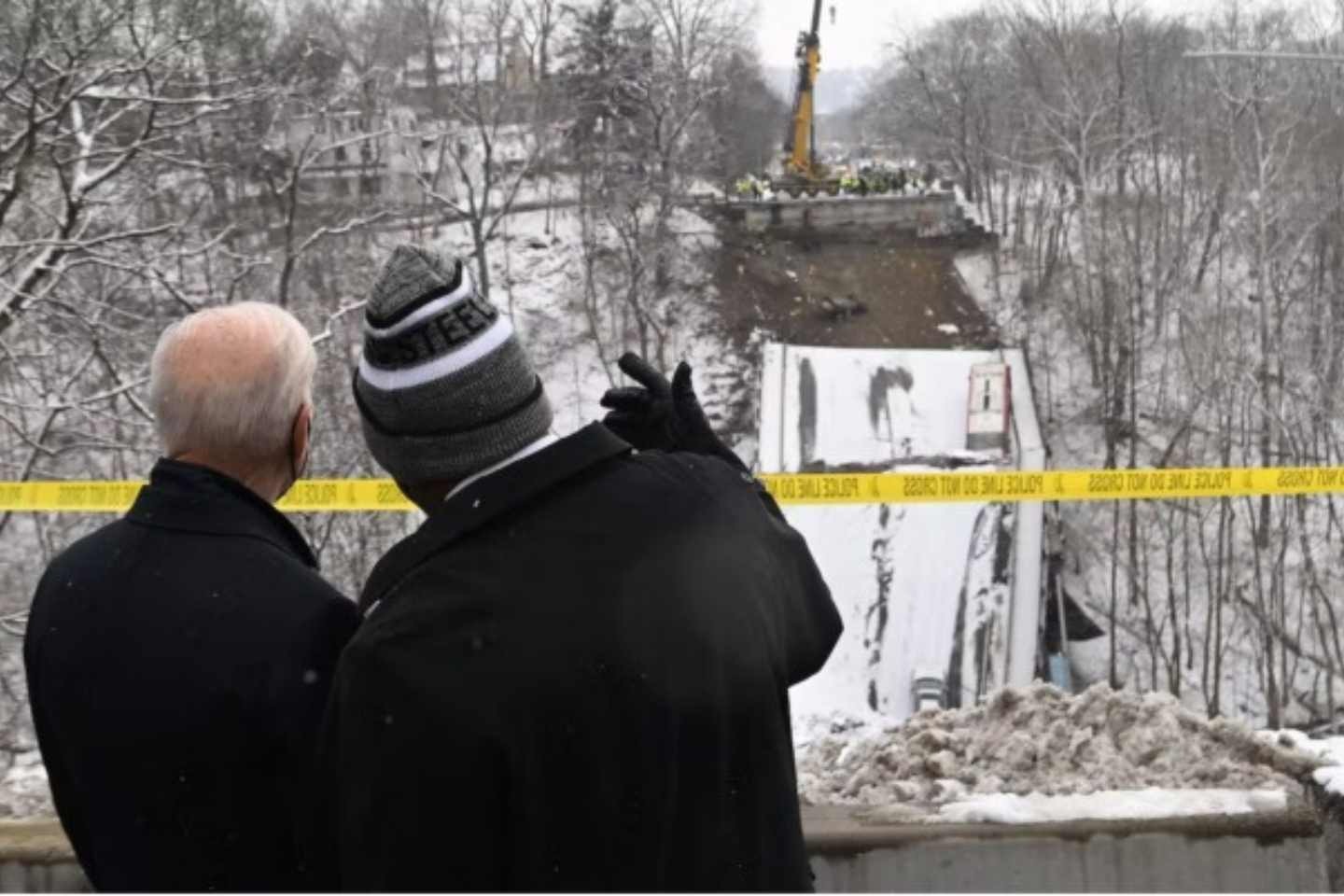
President Joe Biden (left) inspecting a collapsed bridge in Pittsburgh, Pennsylvania.
President Joe Biden (left) inspecting a collapsed bridge in Pittsburgh, Pennsylvania.
Infrastructure Bank Needed
COBOUW
READ an interview by Dutch journalist Edo Beerda, who talks with Steven Fenberg and his colleague Alphecca Mutardy—a former International Monetary Fund economist—about the history and potential of a national infrastructure bank from a Dutch perspective. READ the Dutch version.
Unprecedented Power: Jesse Jones, Capitalism and the Common Good
CSPAN Book-TV
WATCH Steven Fenberg talk about Unprecedented Power in a televised interview at the Texas Book Festival in Austin, Texas.
Steven Fenberg being interviewed during the Texas Book Festival in Austin, Texas.
Steven Fenberg being interviewed during the Texas Book Festival in Austin, Texas.
Unprecedented Power: Jesse Jones, Capitalism and the Common Good
CSPAN Book-TV
WATCH Steven Fenberg talk about Unprecedented Power in a televised interview at the Texas Book Festival in Austin, Texas.
PRESENTATIONS
Renew President Franklin Roosevelt’s Triumphant National Infrastructure Bank
Coalition for a National Infrastructure Bank
WATCH Steven Fenberg describe how with lending, not spending, the federal government’s Reconstruction Finance Corporation saved and expanded the U.S. economy during the Great Depression, and then shifted its focus from economic development to global defense in time to build the world’s arsenal of democracy to fight and win World War II. Steven Fenberg answers audience questions from 33:20. (The audio remains but the frame freezes at 7:36 and resumes at 8:39.)
A 1930s Rural Electrification Administration poster promoting electricity when only 20% of rural residents had power.
A 1930s Rural Electrification Administration poster promoting electricity when only 20% of rural residents had power.
Renew President Franklin Roosevelt’s Triumphant National Infrastructure Bank
Coalition for a National Infrastructure Bank
WATCH Steven Fenberg describe how with lending, not spending, the federal government’s Reconstruction Finance Corporation saved and expanded the U.S. economy during the Great Depression, and then shifted its focus from economic development to global defense in time to build the world’s arsenal of democracy to fight and win World War II. Steven Fenberg answers audience questions from 33:20. (The audio remains but the frame freezes at 7:36 and resumes at 8:39.)
Veterans Day, The RFC and FDR’s WWII Economic Mobilization
Coalition for a National Infrastructure Bank
WATCH Steven Fenberg describe how eighteen months before the Pearl Harbor attacks the Reconstruction Finance Corporation began to proactively build massive factories and lease them to corporations to manufacture the planes, tanks, trucks and ships required to fight and win World War II. See how a similar agency today can rebuild dilapidated infrastructure, fortify the electric grid, expand broadband access, respond to more frequent intense weather events and more. Before the RFC’s intervention, the United States military ranked 17th in the world. Within months it became the arsenal of democracy. Steven Fenberg answers questions from 41:22.
Susan Vaughn Clayton and Mary Gibbs Jones (right) sell war bonds during World War II to their husbands Will Clayton and Jesse Jones.
Susan Vaughn Clayton and Mary Gibbs Jones (right) sell war bonds during World War II to their husbands Will Clayton and Jesse Jones.
Veterans Day, The RFC and FDR’s WWII Economic Mobilization
Coalition for a National Infrastructure Bank
WATCH Steven Fenberg describe how eighteen months before the Pearl Harbor attacks the Reconstruction Finance Corporation began to proactively build massive factories and lease them to corporations to manufacture the planes, tanks, trucks and ships required to fight and win World War II. See how a similar agency today can rebuild dilapidated infrastructure, fortify the electric grid, expand broadband access, respond to more frequent intense weather events and more. Before the RFC’s intervention, the United States military ranked 17th in the world. Within months it became the arsenal of democracy. Steven Fenberg answers questions from 41:22.
Nothing to Fear: What the Biden Administration Must Learn from FDR’s first 100 Days
Coalition for a National Infrastructure Bank
WATCH Steven Fenberg describe how monumental successes from the past can be adapted for strategies today. Fenberg is joined by professor of history Dr. June Hopkins, who is the granddaughter of esteemed New Deal administrator Harry Hopkins, and former International Monetary Fund macroeconomist Alphecca Muttardy. They discuss how a new infrastructure bank modeled on the federal government’s Reconstruction Finance Corporation can build and pay for crucially needed infrastructure today. The presentation about the power of good government was made the day after the January 6 assault on the nation’s Capitol.
Nothing to Fear: What the Biden Administration Must Learn from FDR’s first 100 Days
Coalition for a National Infrastructure Bank
WATCH Steven Fenberg describe how monumental successes from the past can be adapted for strategies today. Fenberg is joined by professor of history Dr. June Hopkins, who is the granddaughter of esteemed New Deal administrator Harry Hopkins, and former International Monetary Fund macroeconomist Alphecca Muttardy. They discuss how a new infrastructure bank modeled on the federal government’s Reconstruction Finance Corporation can build and pay for crucially needed infrastructure today. The presentation about the power of good government was made the day after the January 6 assault on the nation’s Capitol.
The National Infrastructure Bank Act of 2020 Will Unite the Nation
Coalition for a National Infrastructure Bank
WATCH Steven Fenberg during this panel discussion describe how the Reconstruction Finance Corporation interventions and contributions were embraced by Republicans, Democrats, conservatives and liberals. Steven Fenberg answers questions from 41:04.
The National Infrastructure Bank Act of 2020 Will Unite the Nation
Coalition for a National Infrastructure Bank
WATCH Steven Fenberg during this panel discussion describe how the Reconstruction Finance Corporation interventions and contributions were embraced by Republicans, Democrats, conservatives and liberals. Steven Fenberg answers questions from 41:04.
Speech to the U.S. Department of the Treasury
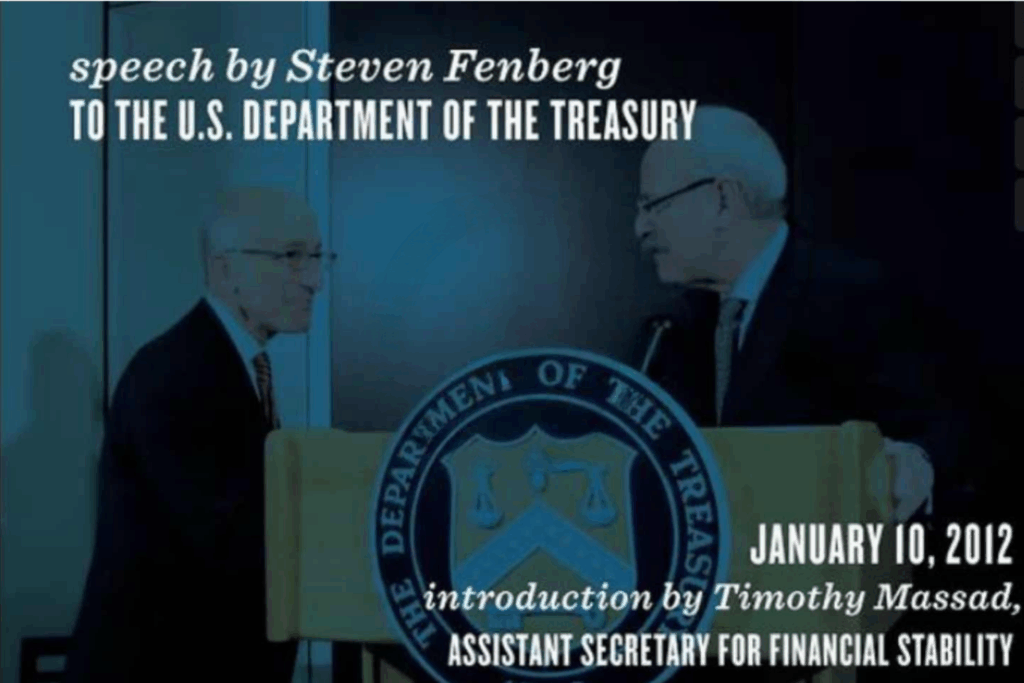
WATCH Undersecretary Timothy Massad introduce Steven Fenberg to the U. S. Department of the Treasury staff before he speaks about the Depression-era bank rescue effort of the Reconstruction Finance Corporation. The effort was successfully duplicated in 2008 by the Treasury Department and called the Troubled Asset Relief Program, also known as TARP.
Speech to the U.S. Department of the Treasury
WATCH Undersecretary Timothy Massad introduce Steven Fenberg to the U. S. Department of the Treasury staff before he speaks about the Depression-era bank rescue effort of the Reconstruction Finance Corporation. The effort was successfully duplicated in 2008 by the Treasury Department and called the Troubled Asset Relief Program, also known as TARP.